
When it comes to data security in rental laptops, hesitation is natural. After all, businesses today rely heavily on sensitive data—client information, financial records, proprietary code, and internal communications.
So, before choosing a rented device, decision-makers often wonder whether their data will remain protected. However, the reality is more nuanced than common assumptions. In fact, when handled by professional providers, rental laptops can be just as secure—if not more secure—than owned devices.
Let’s break this down in a practical and realistic way.
Understanding Data Security in Rental Laptops for Business Use
To begin with, data security in rental laptops depends less on the device itself and more on the processes followed by the rental provider.
Unlike personal laptops, rental devices typically go through structured cycles of deployment, return, and reconfiguration. Therefore, when proper protocols are followed, risks are minimized significantly.
At the same time, businesses must understand that not all vendors follow the same standards. This is where awareness becomes critical.
Common Concerns Around Data Security in Rental Laptops
Before diving into solutions, it’s important to address what most users worry about:
- Previous user data still present on the device
- Unauthorized access by the rental company
- Lack of control over system configurations
- Risks in shared or bulk deployments
These concerns are valid. However, they are usually linked to unstructured or low-quality vendors rather than the rental model itself.
How Professional Vendors Ensure Data Security in Rental Laptops
On the other hand, established providers follow strict processes to ensure data security in rental laptops. These measures are designed specifically for business environments.
Key practices include:
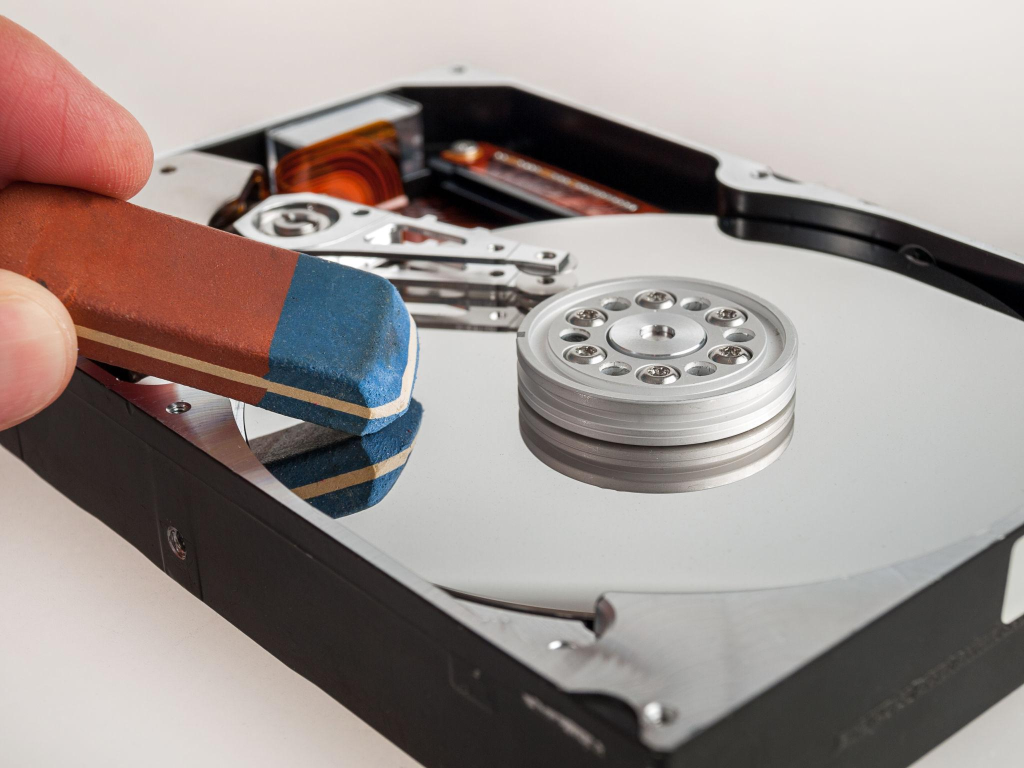
- Complete data wipe before deployment
Every device is formatted to remove any residual data - Fresh OS installation
Systems are reinstalled to ensure a clean and secure environment - No data retention policies
Vendors do not store or access user data - Regular updates and patches
Devices are kept up-to-date with the latest security fixes - Secure handling and logistics
Devices are transported and managed under controlled conditions
Because of these steps, the risk of data leakage is significantly reduced.
Why Data Security in Rental Laptops Can Be Stronger Than Owned Devices
Interestingly, in many cases, data security in rental laptops can outperform owned systems.
This happens because:
- Rental devices are regularly refreshed and maintained
- There is no accumulation of legacy data over long periods
- Systems are often standardized and monitored
- Faulty or compromised devices are quickly replaced
In contrast, owned laptops may go years without proper maintenance, updates, or security checks.
Secure Laptop on Rent for Enterprises and Remote Teams

For enterprises, choosing a secure laptop on rent is not just about convenience—it’s about control.
For example, in remote workforce setups, companies need devices that can be deployed quickly while maintaining security standards.
Rental models support this by enabling:
- Centralized configuration control
- Standardized device environments
- Scalable deployments for teams
- Faster onboarding and replacement
As a result, organizations can maintain consistency across teams without compromising on security.
Factors That Influence Data Security in Rental Laptops
Although vendors play a major role, businesses should also evaluate certain factors before renting.
Key considerations include:
- Vendor credibility and experience
- Defined data wipe and OS installation process
- Availability of technical support
- Documentation and compliance standards
By assessing these aspects, companies can ensure that data security in rental laptops aligns with their internal policies.
Data Protection Practices Businesses Should Follow
While vendors handle device-level security, businesses must also take responsibility for internal practices.
Recommended actions include:
- Using encrypted storage and secure login credentials
- Avoiding local storage of highly sensitive data
- Logging out and clearing data before device return
- Implementing company-level access controls
Therefore, security becomes a shared responsibility between the provider and the user.
The Role of Process in Data Security in Rental Laptops
More importantly, processes define the level of security—not ownership.
A structured rental workflow typically includes:
- Device preparation and formatting
- OS installation and configuration
- Deployment with clean environment
- Usage under client control
- Return and certified data wipe
Because of this lifecycle, data security in rental laptops is maintained at every stage.
Balancing Risk and Flexibility in IT Decisions

Every IT decision involves a balance between flexibility and risk.
While buying offers control, it also comes with long-term maintenance challenges. On the other hand, rental offers flexibility—but only if security standards are met.
Therefore, instead of avoiding rental due to perceived risks, businesses should focus on choosing the right partner.
Related Queries and Common Questions
Is data security in rental laptops reliable for business operations?
Yes, provided the rental company follows proper data wipe, OS installation, and security protocols. In fact, structured processes often make rental devices highly reliable for business use.
What happens to data after returning a rented laptop?
Typically, professional vendors perform a complete data wipe before reusing the device. This ensures that no previous user data remains accessible.
Is it safe to use a rented laptop for office work or development?
Yes, as long as the device is sourced from a trusted provider and internal security practices are followed. Many enterprises already use rental systems for development and operations.
How can businesses ensure data protection on rented devices?
Businesses should verify vendor processes, use encrypted systems, avoid storing sensitive data locally, and implement access control policies.
Where can you find a secure laptop on rent for business use?
If you’re looking for a secure laptop on rent with structured processes, platforms like IndiaRENTALZ provide enterprise-grade solutions with controlled deployment, standardized systems, and ongoing support—ensuring both flexibility and data protection.
Final Perspective on Data Security in Laptops
Ultimately, data security in rental laptops is not about the concept of renting—it’s about execution.
When supported by proper processes, reliable vendors, and responsible usage, rental laptops can offer a secure and efficient solution for modern businesses.
Therefore, instead of viewing rental as a risk, it should be seen as an opportunity to access well-maintained, secure, and scalable IT infrastructure—without long-term complications.