Building a startup is exciting, but sustaining growth with limited capital often becomes the real challenge. As competition increases and operational expenses continue rising, many founders are experiencing serious startup funding pressure while trying to scale their businesses efficiently.
At the same time, investors now expect startups to show stronger financial discipline instead of aggressive spending. Because of this shift, startups are actively looking for smarter ways to reduce expenses, improve cash flow, and extend their runway without slowing down operations.
One area that significantly affects budgets is IT infrastructure. From employee laptops to remote work setups, technology costs can quickly become a heavy burden. Therefore, businesses are now exploring flexible alternatives instead of making expensive upfront purchases.
Why Startup Funding Pressure Is Increasing Across Industries
Over the last few years, startups have operated in a highly competitive environment. Although funding opportunities still exist, investors have become more cautious about where capital is allocated.
As a result, many startups are now facing:
- Higher customer acquisition costs
- Increasing employee expenses
- Rising software subscription costs
- Expensive office and operational overheads
- Pressure to achieve profitability faster
Additionally, rapid technology changes make infrastructure investments even riskier. A laptop purchased today may feel outdated within a few years, which creates additional financial pressure for growing companies.
Because of these factors, startup funding pressure is no longer limited to early-stage startups alone. Even scaling businesses are focusing heavily on cost optimization and sustainable spending.
Startup Cost Cutting Has Become a Core Business Strategy
Previously, startups often focused aggressively on growth without closely monitoring operational spending. However, the current market environment has changed that approach significantly.
Today, startup cost cutting is not simply about reducing expenses. Instead, it is about allocating resources more efficiently while maintaining productivity and growth potential.
Many startups are now:
- Reducing unnecessary capital expenditure
- Moving toward subscription-based services
- Adopting remote and hybrid work models
- Renting infrastructure instead of purchasing
- Optimizing team onboarding costs
Consequently, businesses that manage operational expenses carefully are often able to survive longer market uncertainties and scale more sustainably.
How Operational Expenses Create Startup Funding Pressure

Operational costs are among the biggest contributors to startup funding pressure. Even when revenue grows steadily, monthly expenses can quickly consume available cash flow.
Some of the most common operational costs include:
- Employee salaries
- Office infrastructure
- Technology purchases
- Cloud services
- Marketing campaigns
- Recruitment expenses
- Device maintenance and upgrades
Among these, technology spending is frequently underestimated during the early stages of growth.
For example, onboarding a team of 20 employees may require substantial upfront investment in laptops, accessories, software licenses, and setup support. While these investments are necessary, they can also reduce available working capital significantly.
Therefore, startups are increasingly looking for flexible infrastructure solutions that support growth without creating large financial commitments.
Startup Funding Pressure Is Changing IT Purchasing Decisions
Technology plays a major role in modern startups. Whether teams work remotely or from an office, reliable devices are essential for productivity.
However, buying large quantities of laptops creates several challenges:
- Heavy upfront spending
- Depreciating asset value
- Maintenance costs
- Repair and replacement expenses
- Difficulty upgrading older systems
Because of this, many businesses are rethinking traditional purchasing models.
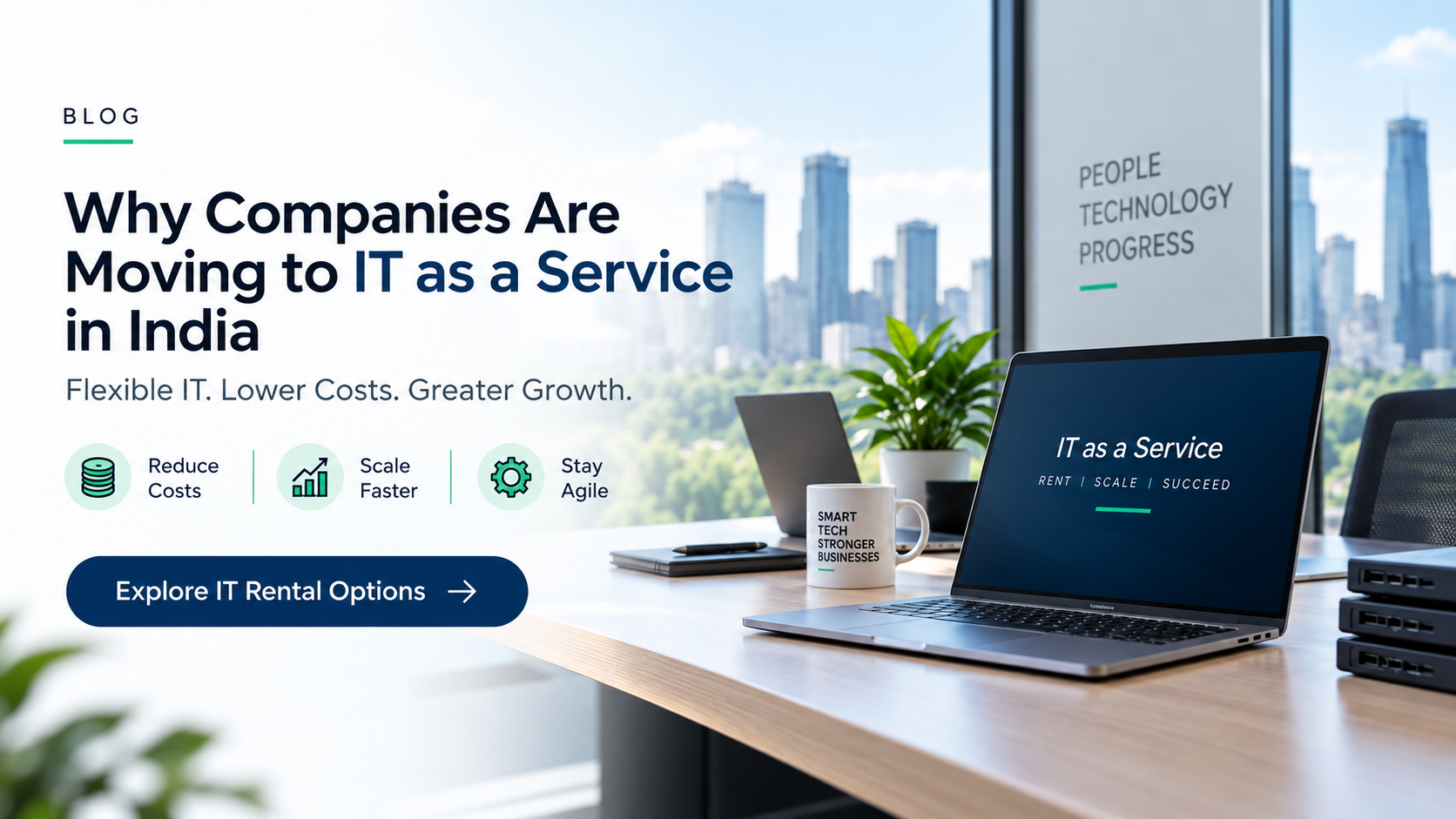
Instead of purchasing devices outright, startups are moving toward flexible IT infrastructure models that allow them to scale according to business needs.
This shift is becoming increasingly important as startup funding pressure continues affecting hiring and expansion decisions.
Why Renting Infrastructure Helps Reduce Startup Cost Cutting Pressure
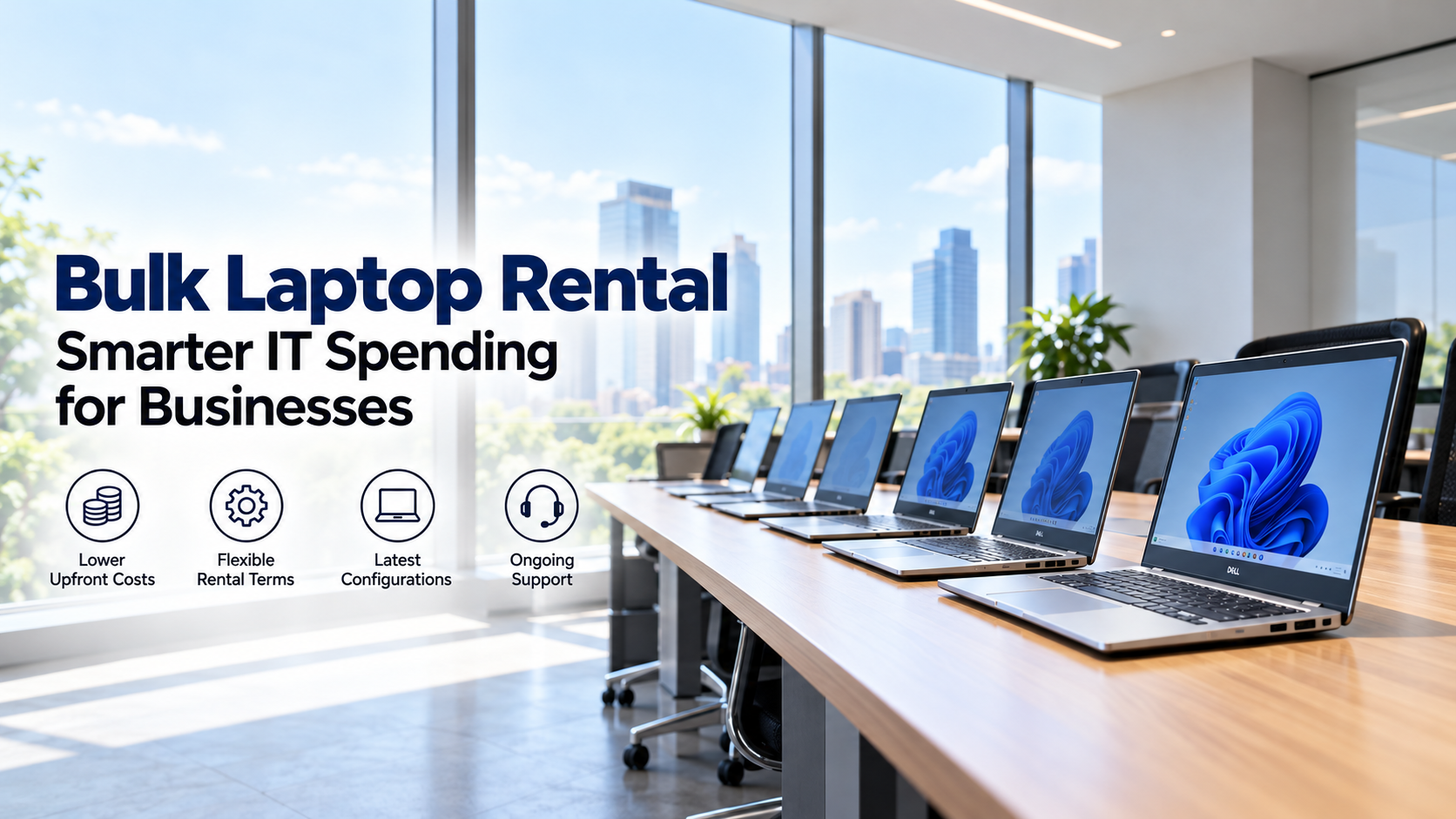
Rental infrastructure provides startups with greater flexibility while helping them preserve working capital.
Rather than blocking large amounts of money in hardware purchases, startups can distribute costs into manageable monthly payments.
This approach offers several advantages:
Better Cash Flow Management
Startups can preserve funds for critical areas such as product development, hiring, and marketing instead of investing heavily in depreciating hardware.
Faster Team Scaling
When hiring rapidly, rental infrastructure helps businesses deploy devices quickly without waiting for large procurement cycles.
Easy Technology Upgrades
Since technology evolves rapidly, rental models allow startups to upgrade devices more easily whenever business requirements change.
Reduced Maintenance Burden
Many rental providers offer technical support, replacement services, and maintenance assistance, reducing operational headaches for internal teams.
Because of these benefits, rental infrastructure is becoming a practical solution for startups operating under funding constraints.
Remote Work Expansion and Startup Funding Pressure

Remote and hybrid work models have also influenced how startups manage infrastructure spending.
Earlier, companies mainly purchased office-based systems. However, distributed teams now require businesses to provide reliable devices across multiple locations.
This creates additional challenges such as:
- Device deployment logistics
- Remote onboarding
- IT support management
- Equipment replacement
- Scalability during hiring phases
As a result, startup funding pressure often increases when companies attempt to build remote-ready infrastructure entirely through direct purchases.
Flexible rental solutions help reduce these challenges because startups can scale devices up or down based on hiring needs.
Additionally, startups avoid getting locked into outdated hardware for long periods.
Smart Financial Planning During Startup Funding Pressure
Managing startup funding pressure requires long-term financial discipline rather than temporary cost reductions.
Successful startups usually focus on balancing growth with operational efficiency.
Some practical strategies include:
- Prioritizing revenue-generating activities
- Avoiding unnecessary asset purchases
- Using scalable subscription models
- Monitoring burn rate carefully
- Building flexible operational systems
- Reducing idle infrastructure costs
Moreover, founders are increasingly focusing on preserving runway rather than maximizing short-term expansion.
This approach creates better financial stability during uncertain market conditions.
Startup Cost Cutting Does Not Mean Reducing Productivity
One common misconception is that startup cost cutting automatically affects employee performance or business growth. However, efficient spending often improves operational flexibility instead of limiting it.
For instance, renting high-performance laptops can provide startups access to modern devices without large capital investments.
This allows businesses to:
- Maintain productivity standards
- Support remote employees effectively
- Scale hiring smoothly
- Access upgraded technology faster
- Reduce procurement delays
Consequently, startups can remain agile while controlling operational spending more effectively.
Flexible Infrastructure Is Becoming a Competitive Advantage
Businesses that adapt quickly usually manage market uncertainty more effectively. Therefore, flexible infrastructure is increasingly becoming a strategic advantage for startups.
Instead of locking budgets into fixed assets, startups now prefer operational flexibility that aligns with changing business demands.
This is especially important for:
- Fast-growing startups
- Seasonal hiring businesses
- Remote-first companies
- Project-based teams
- Early-stage technology startups
As startup funding pressure continues influencing decision-making, scalable infrastructure models will likely become even more important in the coming years.
Related Queries and Common Search Intent
Why does startup funding pressure affect business growth?
Startup funding pressure affects growth because limited cash flow restricts hiring, marketing, infrastructure upgrades, and operational expansion. When startups spend heavily on fixed assets, they often reduce available capital for business scaling activities.
How can startups reduce operational expenses effectively?
Startups can reduce operational expenses by adopting flexible services, minimizing unnecessary purchases, optimizing software subscriptions, and using rental-based infrastructure instead of large upfront investments.
Is renting laptops better for startups than buying?
For many startups, renting laptops offers greater flexibility because it reduces upfront costs, simplifies upgrades, and supports faster scaling. It also helps businesses preserve working capital during uncertain financial periods.
How does startup cost cutting help improve runway?
Startup cost cutting helps businesses extend their runway by lowering monthly burn rates. As a result, startups gain additional time to improve revenue, attract investment, or stabilize operations.
Where can startups rent laptops and IT equipment in India?
Businesses looking for flexible IT infrastructure can explore solutions from IndiaRENTALZ
for laptop, MacBook, workstation, and enterprise device rentals across India. Rental-based IT infrastructure can help startups scale teams while managing operational expenses more efficiently.
Building Sustainable Growth During Startup Funding Pressure
Every startup faces financial pressure at different stages of growth. However, businesses that focus on flexibility, operational efficiency, and smarter resource allocation often manage uncertainty more effectively.
Instead of investing aggressively in depreciating infrastructure, many startups are now prioritizing scalable operational models that preserve cash flow while supporting growth.
As startup funding pressure continues influencing business decisions, flexible infrastructure, controlled spending, and efficient scaling strategies will remain critical for long-term sustainability.