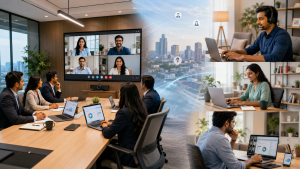
Prime Minister Narendra Modi’s recent appeal encouraging virtual meetings and work-from-home arrangements wherever possible has brought operational flexibility back into focus for Indian businesses. It has also highlighted the growing importance of flexible IT rental solutions for companies that may need to shift work models quickly. The appeal, made in the context of fuel conservation and reducing avoidable travel, is not a formal nationwide work-from-home mandate as of 13 May 2026. However, it has restarted an important conversation around how prepared companies are to adapt when circumstances demand it.
For founders, HR leaders, admin teams, and procurement managers, this discussion goes beyond policy. It directly touches business continuity, employee productivity, and infrastructure readiness. A company may support remote or hybrid work in principle, but unless employees have the right devices, secure access, and role-appropriate hardware, the model can quickly become inefficient.
That is why flexible IT rental solutions are gaining relevance. They allow organizations to equip teams quickly, control upfront spending, and respond to changing workforce needs without making large, permanent hardware purchases for uncertain or evolving requirements.
A policy signal that brings remote readiness back into focus
PM Modi’s appeal has encouraged organizations to reassess whether some meetings, travel, and office-dependent workflows can shift to digital modes when required. Several businesses have already begun discussing broader hybrid options, reduced non-essential travel, and selective remote work as part of their operational response.
This does not mean every company will move to work from home. Manufacturing, logistics, retail, and field operations often need physical presence. However, service teams, sales support, technology functions, back-office work, design roles, and many administrative processes can operate remotely or in hybrid formats when the right systems are in place.
The broader message for businesses is clear: flexibility has become a practical capability. Organizations that can adapt faster usually face fewer interruptions, while those that rely only on fixed office-based infrastructure may struggle during sudden changes in operating conditions.
Flexible IT rental solutions reduce last-minute infrastructure gaps
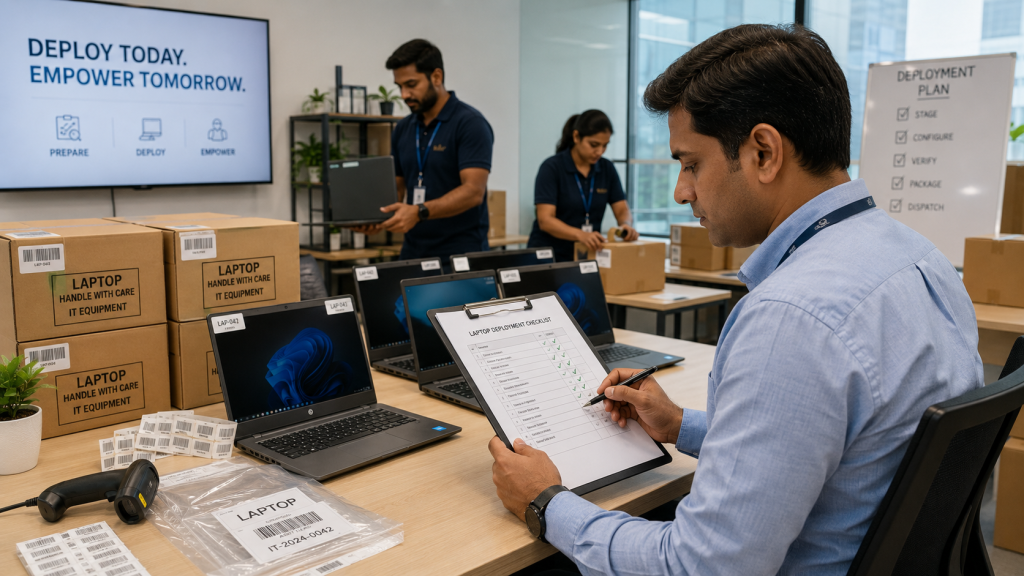
A remote-work announcement sounds simple, yet execution is often more complicated. Businesses may quickly realize that:
- Some employees use office desktops that cannot be moved easily.
- New hires do not yet have assigned systems.
- Existing laptops may not support heavier workloads.
- Teams working from different cities need devices delivered separately.
- Temporary project expansion creates short-term hardware demand.
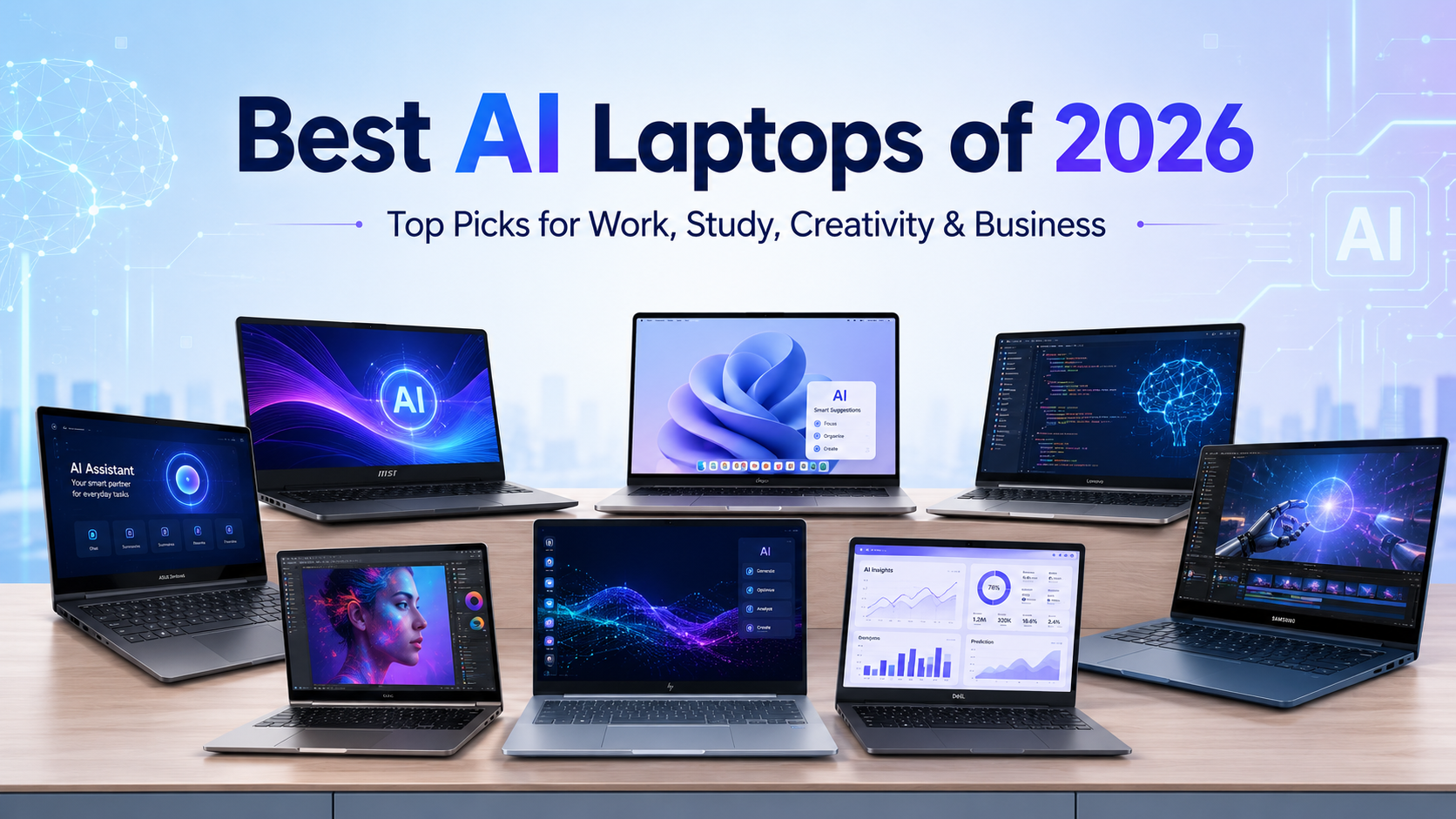
In such situations, flexible IT rental solutions help companies avoid rushed purchasing decisions. Instead of buying devices in bulk for a need that may change after a few weeks or months, organizations can rent laptops, desktops, MacBooks, workstations, monitors, and other devices based on current workforce requirements.
This approach creates breathing room. Teams receive operational hardware, leadership avoids unnecessary capital lock-in, and procurement remains aligned with actual demand rather than speculation.
The real cost of unplanned device buying
Buying hardware is not always wrong. For stable, long-term, standardized requirements, ownership can make sense. Yet when the requirement is sudden, distributed, temporary, or uncertain, outright purchase may create hidden pressures.
Businesses often face:
- High initial capital expenditure
- Longer vendor selection and approval cycles
- Risk of choosing the wrong configuration in haste
- Idle inventory after demand reduces
- Storage, maintenance, and upgrade responsibility
- Difficulty redistributing devices across locations
These concerns become more visible when companies need to support remote teams quickly. A temporary spike in work-from-home demand should not automatically become a long-term asset burden.
Rental models help reduce this mismatch. They align infrastructure availability with usage, which is especially relevant for startups, SMEs, project teams, and enterprise departments that need agility without overspending.
Work from home IT setup requires role-based device planning
A productive work from home IT setup is not created by handing out any available laptop. Different roles need different hardware profiles.
For example:
- Sales and support teams may need reliable business laptops with smooth video calling.
- Finance and operations teams may require fast systems with dependable multitasking.
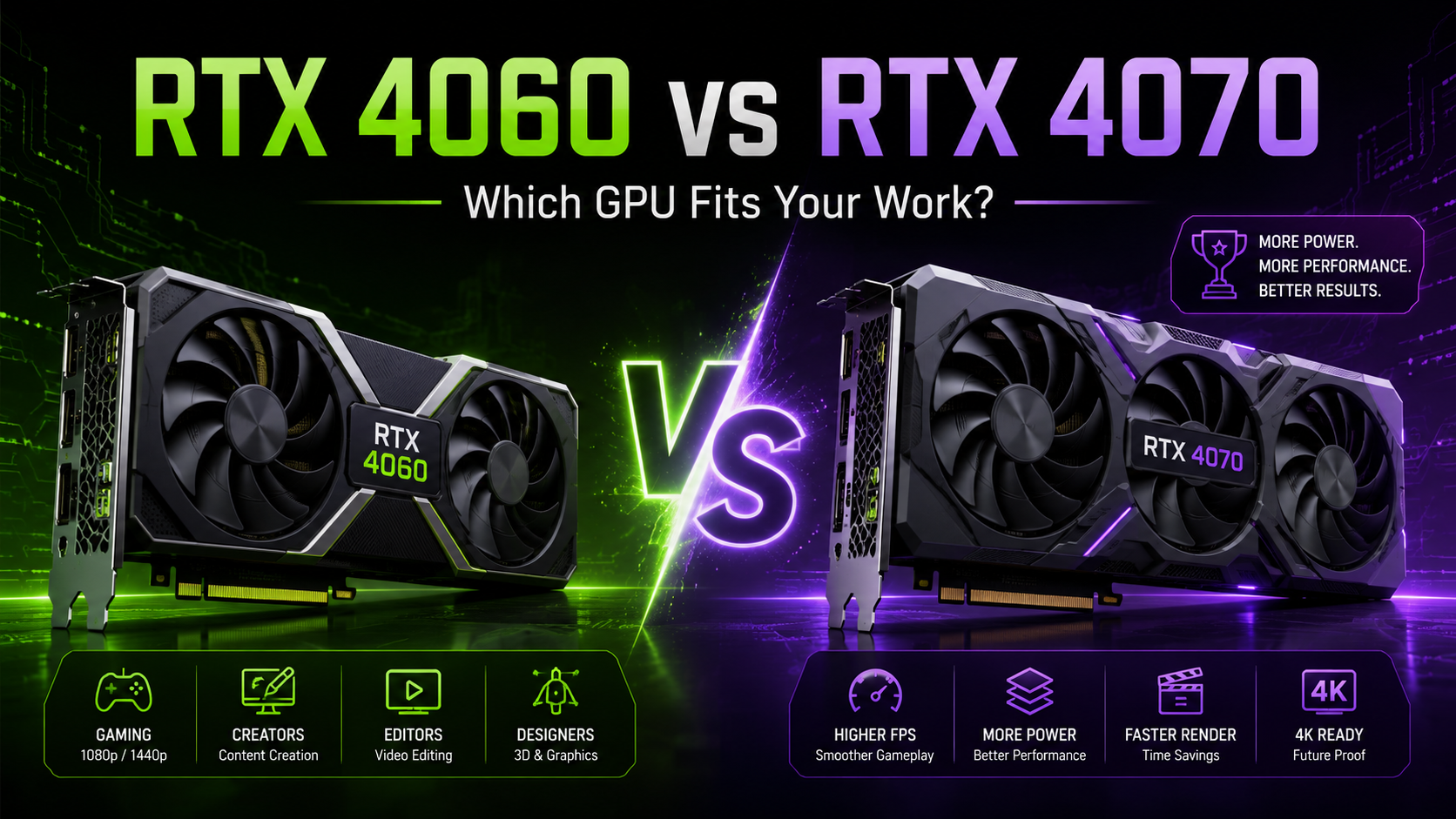
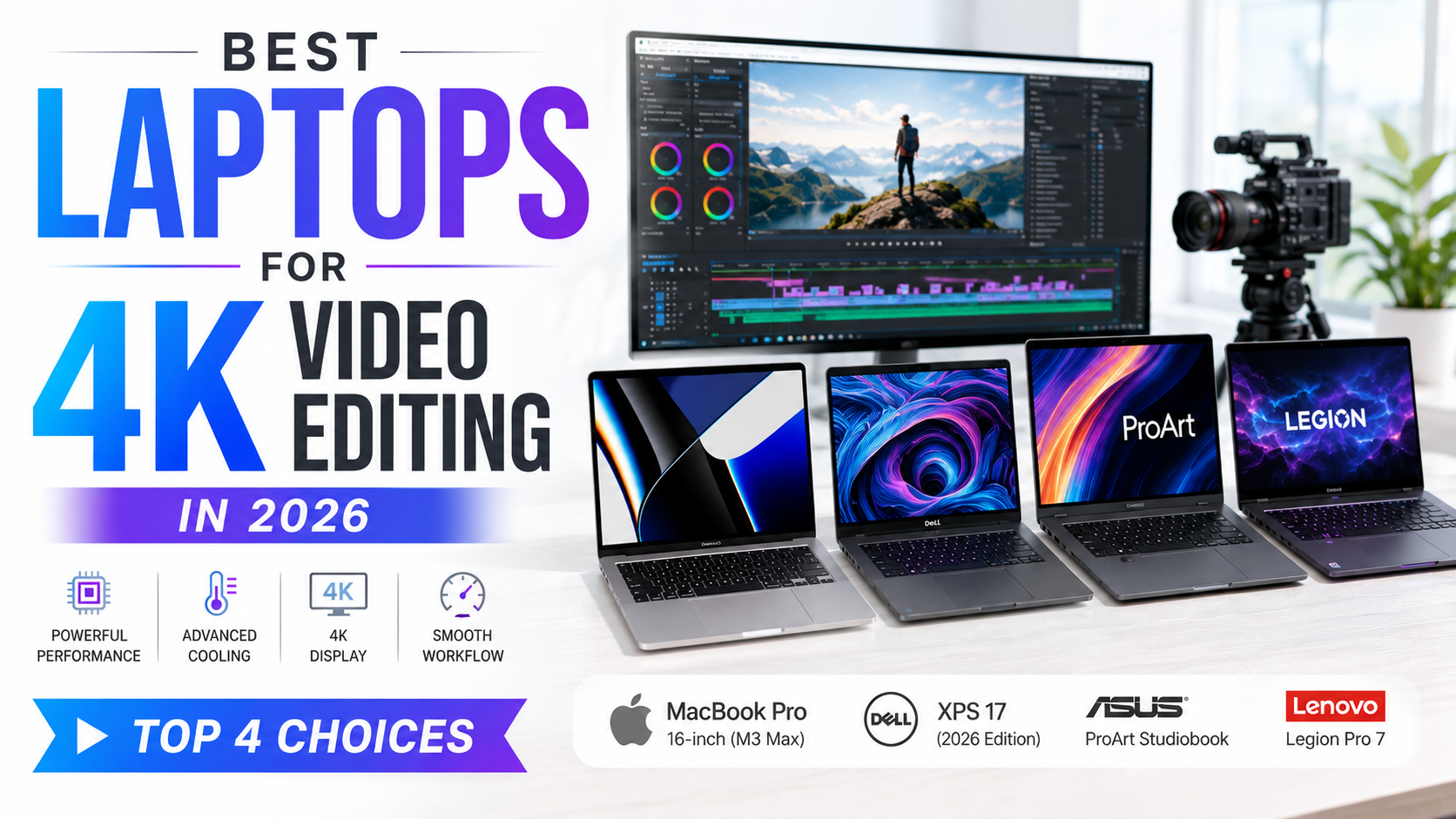
- Designers, video editors, and 3D professionals need high-performance devices.
- Developers and data teams often require stronger processors, higher RAM, and SSD-based systems.
- Senior management may prefer premium laptops or MacBooks for mobility and presentations.
When companies plan remote or hybrid capacity, they should first define device categories by job function. This allows procurement or admin teams to avoid one-size-fits-all provisioning and build a smarter device allocation plan.
A well-planned work from home IT setup also considers monitors, accessories, backup options, and service support. Employees become more efficient when their hardware matches the task rather than merely meeting a minimum standard.
Flexible IT rental solutions support distributed teams without overbuilding
Distributed workforces are now common across sectors. A business may have leadership in Delhi, developers in Bengaluru, sales executives in Mumbai, and support teams in smaller cities. Equipping such teams through centralized purchasing can become slow and logistically difficult.
With flexible IT rental solutions, companies can plan device deployment based on geography, headcount, and urgency. This is particularly useful for:
- Remote hiring in multiple cities
- Temporary project rollouts
- New branch activation
- Short-term consultants or contract staff
- Seasonal business expansion
- Enterprise teams working across client locations
Instead of stocking excess devices in one office and manually reallocating them later, businesses can use rentals to fulfill live requirements with greater precision. This improves both cost efficiency and execution speed.
The appeal for more virtual and remote-enabled work has made this model even more relevant because infrastructure may need to reach employees, not the other way around.
Hybrid operations need faster deployment, not larger stockpiles
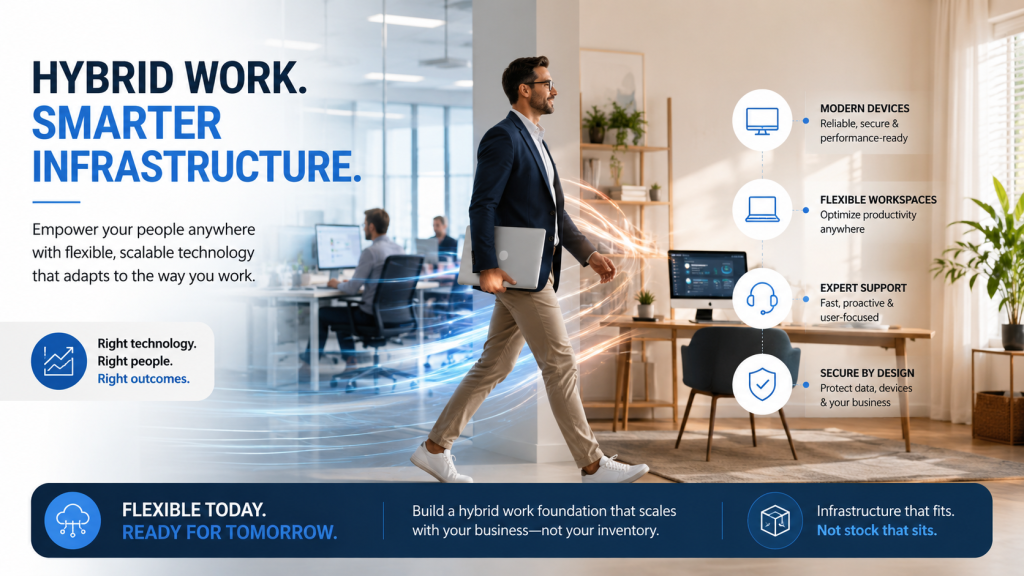
Hybrid work does not always mean fewer devices. In many cases, it means a more complex mix of device needs.
An employee may require:
- A laptop for mobility
- A monitor for home productivity
- A workstation for specialist output
- Replacement support if hardware fails
- A temporary upgrade during a high-intensity project
Buying everything upfront can be inefficient, especially when hybrid patterns are still evolving. Instead, businesses benefit from the ability to add, replace, or reconfigure equipment as operational needs change.
This is where IT rentals serve a broader purpose. They are not merely a lower-cost alternative to ownership. They can act as a flexible operating layer that helps companies adapt without redesigning their capital budget every time workforce strategy changes.
Flexible IT rental solutions as a continuity layer for growing businesses
Business continuity used to focus mainly on power backup, data backup, and disaster recovery. Today, workforce mobility and device availability are equally important.
A company can face disruption because of:
- Sudden remote-work advisories
- Fuel or travel constraints
- New hiring demands
- Office relocation
- Temporary site shutdowns
- Expansion into new cities
- Short project deadlines that require immediate staffing
In each case, hardware readiness matters. If the organization cannot give people the tools to work, even a strong business plan slows down.
Flexible IT rental solutions help bridge that gap. They allow organizations to maintain access to the equipment needed for continuity while avoiding overinvestment in devices that may not remain necessary at the same scale later.
This is especially valuable for startups and SMEs, where cash flow discipline often matters as much as operational speed. It also serves enterprises managing large, mobile, or distributed teams who need repeatable provisioning without unnecessary procurement delays.
Practical preparation steps for founders, HR, and procurement teams
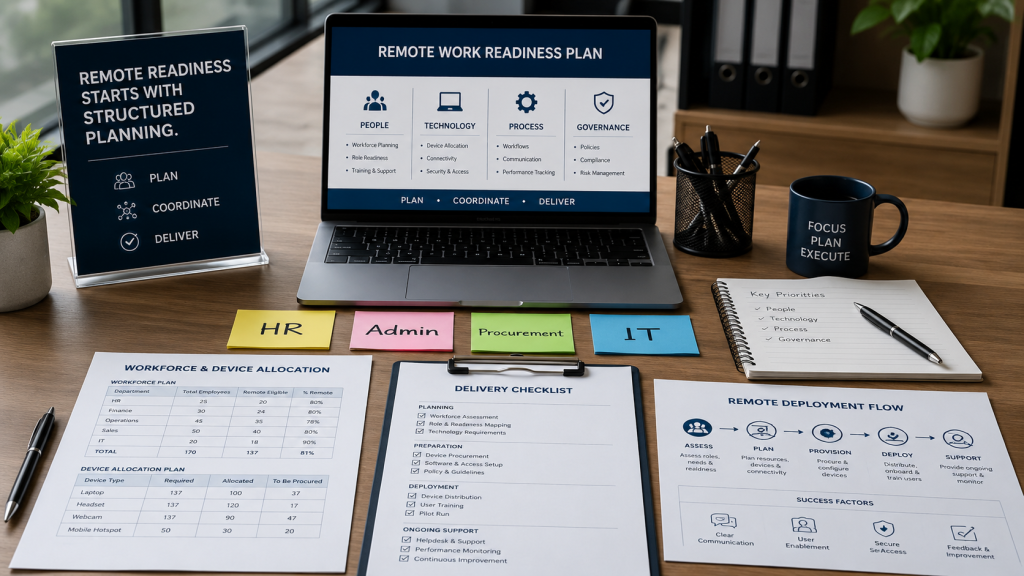
Businesses do not need to wait for a formal shift in work policy before preparing. A few structured steps can make them far more responsive.
Start with these actions:
- Identify which roles can work remotely or in hybrid mode.
- Define device specifications by department and workload.
- Map employee locations and delivery priorities.
- Estimate backup hardware requirements for urgent scenarios.
- Decide when to rent and when to buy.
- Keep a pre-approved rental vendor plan ready.
- Build an internal process for approvals, dispatch, support, and returns.
- Consider productivity aids such as external monitors where relevant.
This kind of planning prevents reactive spending and confused decision-making. It also gives HR, admin, and procurement teams a shared operating framework instead of forcing them to rebuild the process during every urgent requirement.
Related business queries
Are flexible IT rental solutions useful for sudden remote-work requirements?
Yes. Flexible IT rental solutions help businesses arrange laptops, desktops, MacBooks, workstations, and related equipment when remote or hybrid capacity needs to expand quickly. This reduces the pressure to buy assets in urgency and keeps spending aligned with actual operational demand.
What should a company include in a work from home IT setup?
A practical work from home IT setup should include role-appropriate devices, stable performance, essential accessories where needed, and a plan for service support or replacement. For some roles, a standard business laptop is enough, while others may need high-performance systems, monitors, or specialist configurations.
Is renting better than buying for temporary business expansion?
For temporary hiring, project-based demand, pilot teams, event-led work, and uncertain workforce plans, renting often provides greater flexibility. Buying may remain suitable for stable long-term needs, but rentals can prevent unnecessary capital blockage when requirements are still evolving.
Where can businesses rent devices for remote and hybrid teams?
Businesses can explore IndiaRENTALZ for laptops, MacBooks, desktops, workstations, monitors, and other IT equipment on rent. The service is especially relevant for organizations that need scalable device deployment, business-focused configurations, and support for distributed workforce requirements across India.
Does PM Modi’s appeal mean all companies must allow work from home?
No. As of 13 May 2026, available reports indicate that the work-from-home remark is an appeal linked to conservation and operational prudence, not a compulsory nationwide mandate. Individual companies continue to decide their own workplace policies based on business needs and job roles.
Building flexibility before it becomes urgent
PM Modi’s work-from-home appeal has revived a conversation that many businesses had gradually pushed into the background after the pandemic years. Yet the issue remains highly relevant. Work models can shift. Travel expectations can change. Teams can become more distributed. Projects can scale faster than infrastructure planning.
The businesses that handle these shifts well are usually not the ones with the largest hardware inventory. They are the ones with the most adaptable operating model.
By using flexible IT rental solutions, organizations can stay prepared without overcommitting capital, provide employees with the right tools, and respond faster when circumstances call for a more remote-ready workforce. For modern businesses, that is not just a procurement decision. It is a resilience strategy.