
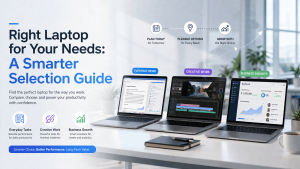
Selecting a laptop for your team is no longer a routine purchase decision. Instead, it directly influences productivity, cost efficiency, and scalability. Therefore, identifying the right laptop for your needs becomes essential for startups, SMEs, and growing organizations.
While many still focus only on specifications, a more practical approach considers how devices are actually used. As a result, businesses that choose the right laptop based on real work requirements tend to perform more efficiently and avoid unnecessary costs.
Why Device Selection Impacts Business Efficiency
At first glance, most laptops may seem similar. However, performance varies significantly depending on usage.
For example, a device suited for basic documentation may slow down under heavy applications. Conversely, high-end laptops assigned to simple tasks lead to wasted investment. Therefore, aligning devices with roles ensures better outcomes.
When businesses focus on the right laptop for your needs, they benefit from:
- Better utilization of resources
- Reduced downtime
- Improved employee productivity
Moreover, this approach creates consistency across teams.
Understanding Work-Based Laptop Requirements
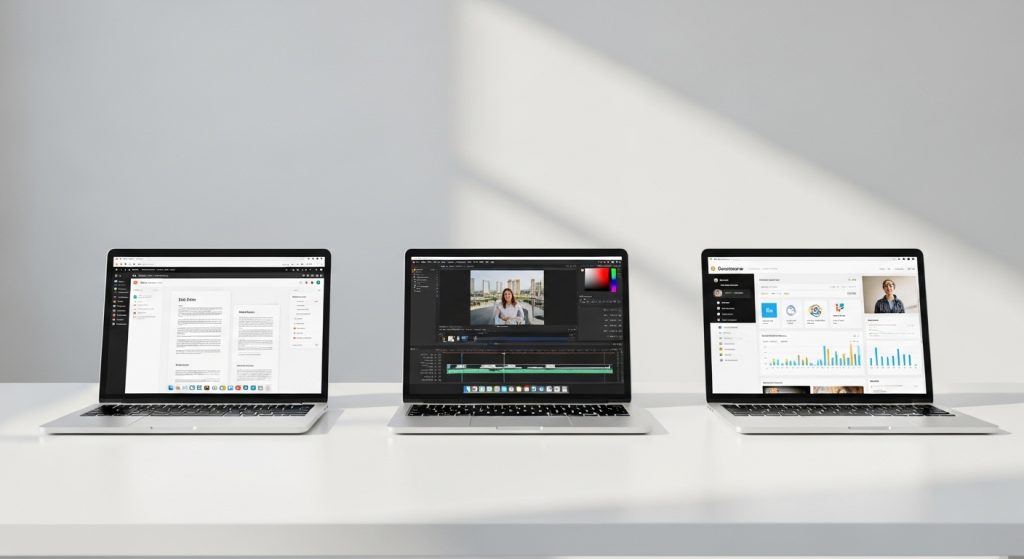
Every organization operates with multiple user types. Therefore, defining these categories helps in making better decisions.
Basic Operational Roles
These typically involve:
- Email communication
- Documentation and spreadsheets
- Web-based platforms
In such cases, stability and efficiency matter more than high performance. Therefore, selecting the right laptop for your needs ensures smooth daily operations without overspending.
Performance-Centric Roles
These include:
- Software development
- Graphic design and editing
- Data-intensive tasks
Here, performance becomes critical. As a result, the right laptop for your needs must deliver speed, multitasking capability, and reliability.
Team-Level and Business Operations
These involve:
- Remote teams
- Multi-location setups
- Continuous project execution
In these scenarios, consistency and scalability are key. Therefore, the right laptop for your needs should support seamless collaboration and easy management.
How to Choose the Right Laptop with a Structured Approach
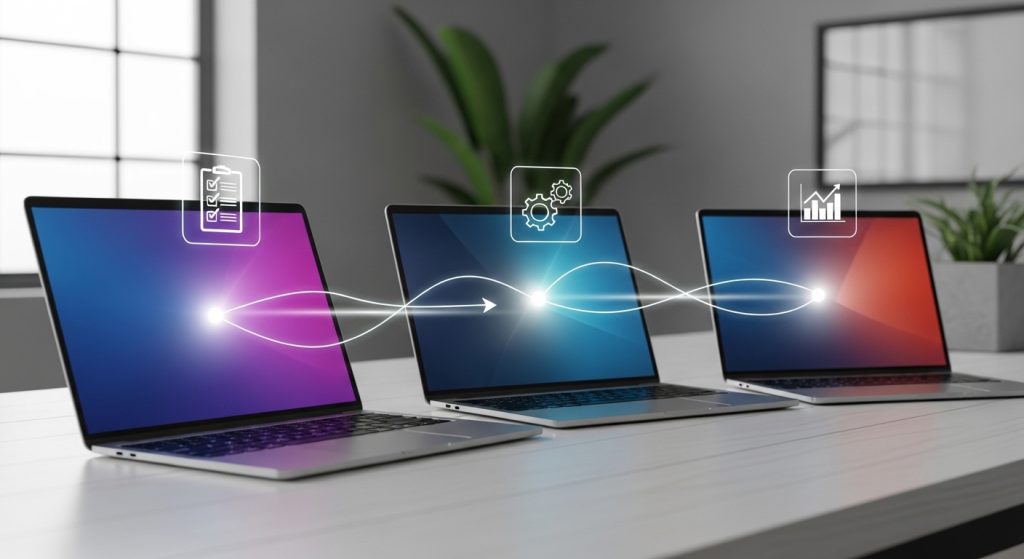
Instead of relying on assumptions, businesses should follow a clear decision-making process.
To choose the right laptop, consider:
- Nature of work: Identify the primary applications used daily
- User segmentation: Group employees by role
- Future scalability: Plan for team expansion
- Budget allocation: Balance investment and flexibility
When these factors are evaluated together, it becomes easier to identify the right laptop for your needs without overcomplicating decisions.
Common Mistakes in Laptop Selection
Even experienced teams make avoidable mistakes when selecting devices. However, awareness can help prevent them.
Over-Spec Allocation
Assigning high-end laptops to all users increases costs without adding value.
Under-Spec Assignment
Low-performance devices can slow down critical tasks and reduce efficiency.
Lack of Standardization
Using different configurations across teams complicates IT management.
Therefore, aligning decisions with the right laptop for your needs helps maintain balance between cost and performance.
Aligning Device Strategy with Business Growth
As businesses scale, their technology requirements evolve. Consequently, laptop selection should support both current and future needs.
A structured approach ensures:
- Faster onboarding of new employees
- Consistent performance across teams
- Simplified IT operations
Thus, focusing on the right laptop for your needs helps organizations adapt to growth without disruption.
CAPEX vs OPEX in Choosing the Right Laptop
Traditionally, businesses purchase laptops as capital expenditure. However, this approach involves high upfront costs and limited flexibility.
Alternatively, operational models provide:
- Lower initial investment
- Easier upgrades
- Scalable deployment
Therefore, while evaluating financial strategies, businesses should aim to secure the right laptop for your needs without restricting liquidity.
Flexibility as a Key Factor in Device Selection
Work environments are constantly evolving. Teams expand, projects change, and requirements shift.
A flexible approach allows:
- Quick deployment for new hires
- Adjustments based on role changes
- Better cost control
In such cases, the right laptop for your needs is not fixed—it evolves with business demands.
Balancing Cost, Performance, and Efficiency
The ideal laptop is not the most powerful or the least expensive. Instead, it is the most relevant to the task.
When businesses focus on relevance:
- Productivity improves
- Costs are optimized
- IT management becomes easier
Therefore, the process to choose the right laptop should prioritize alignment over assumptions.
Creating a Long-Term Laptop Strategy

Rather than making one-time decisions, organizations benefit from a long-term approach.
- Define clear device categories
- Maintain consistency across teams
- Plan upgrades based on usage
- Evaluate flexible models regularly
By doing so, businesses can continuously ensure access to the right laptop for your needs.
Related Queries and Common Considerations
### How do you identify the right laptop for your needs across different roles?
Start by analyzing job responsibilities and required applications. For example, administrative roles require basic configurations, while technical roles need higher performance. By aligning devices with actual usage, businesses can identify the right laptop for your needs effectively.
### Is renting laptops better than buying for startups and SMEs?
For growing businesses, renting offers flexibility and reduces upfront investment. It allows companies to scale devices based on team size and upgrade when needed. As a result, renting helps maintain access to the right configurations without long-term commitment.
### What should IT managers consider before choosing laptops?
IT managers should focus on:
- Performance requirements
- Compatibility with systems
- Security and maintenance
- Scalability
When these factors are aligned, selecting the right devices becomes more structured and efficient.
### How can businesses avoid overspending while choosing laptops?
Businesses can control costs by matching specifications with actual usage instead of opting for maximum configurations. Additionally, planning for scalability helps prevent unnecessary investments.
### Where can you rent the right laptop for your needs for business use?
For businesses looking for flexibility and scalability, renting is a practical option. Platforms like IndiaRENTALZ offer laptops, MacBooks, and desktops tailored to different work requirements.
Moreover, companies can:
- Select configurations based on roles
- Scale devices as teams grow
- Access Pan India delivery and support
As a result, businesses can consistently access the right laptop for your needs without operational constraints.
Conclusion: Focus on Fit Rather Than Features
Laptop selection today requires a strategic approach. Instead of focusing only on specifications, businesses should align devices with actual work requirements.
By prioritizing the right laptop for your needs, organizations can:
- Improve productivity
- Optimize costs
- Support long-term growth
Ultimately, the goal is not to choose the most advanced device, but to select the one that fits your business best.


One thought on “Right Laptop for Your Needs: A Smarter Selection Guide”
Comments are closed.