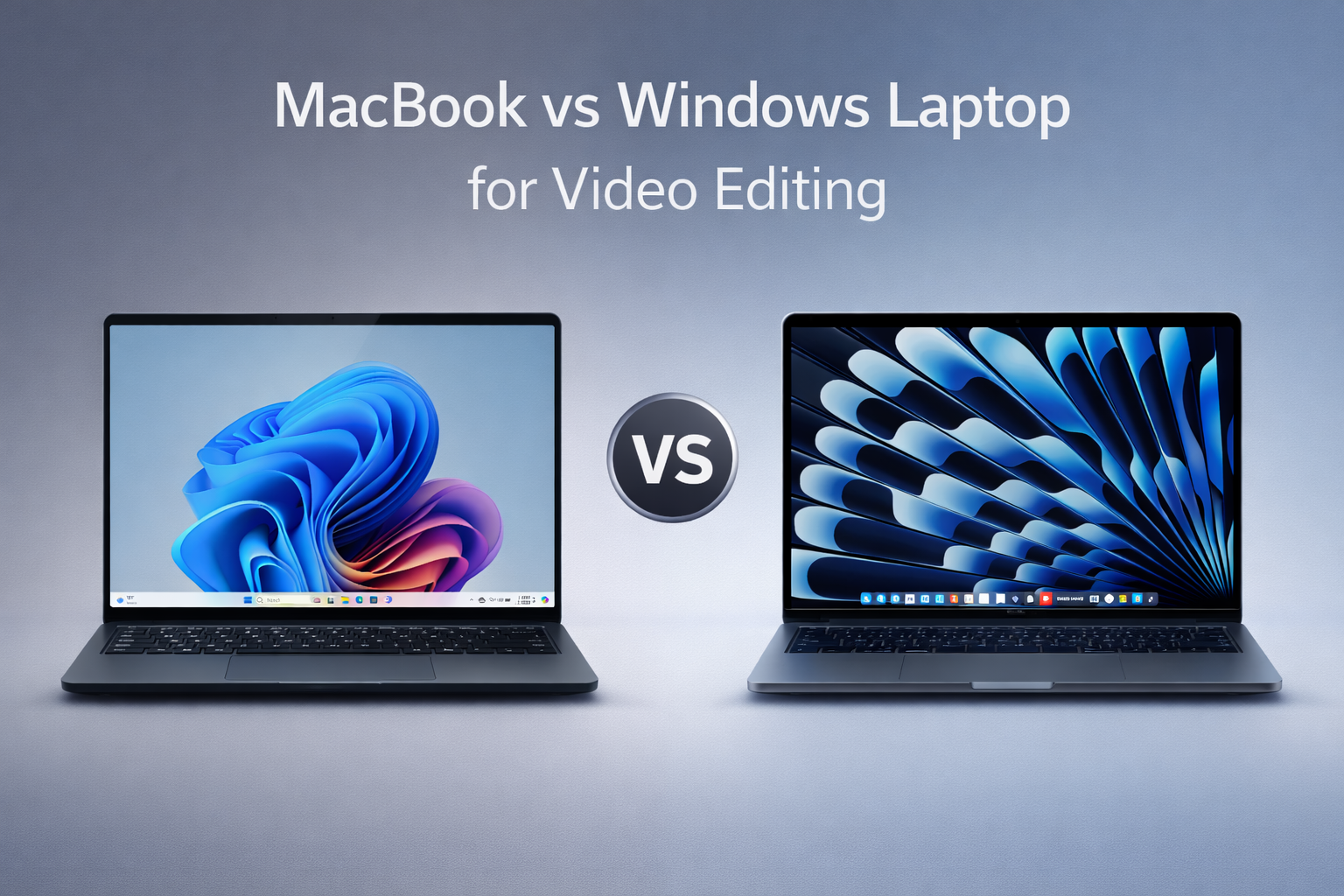

In today’s corporate environment, laptops are no longer just tools—they shape how smoothly people work, collaborate, and stay productive. That’s why the question Which MacBook Is Right for Your Business often comes up not only in IT meetings, but also in conversations among managers, HR teams, and employees themselves.
For most office employees, the goal is simple: a device that works reliably, stays fast through the day, and doesn’t create friction during meetings, reporting, or coordination. However, the decision becomes layered when businesses must also think about ownership, security, upgrades, and long-term costs.
This guide takes a practical, people-first approach to answering Which MacBook Is Right for Your Business—focusing on real workplace usage, everyday responsibilities, and the growing conversation around personal devices, company-issued laptops, and rental models.
Understanding Business Context Before Deciding Which MacBook Is Right for Your Business
Before comparing models, it helps to understand how MacBooks fit into modern office setups. Corporate employees today rarely use laptops for a single task. Instead, a typical day may include video calls, document editing, dashboards, browser-heavy workflows, and collaboration tools running simultaneously.
This means Which MacBook Is Right for Your Business depends less on brand appeal and more on consistency. Devices must support sustained performance, stable battery life, and seamless integration into existing workflows without constant troubleshooting.
When businesses align laptop choices with actual work patterns, productivity improves naturally—without forcing employees to adjust their habits around hardware limitations.
MacBook Air in Office-Focused Business Environments
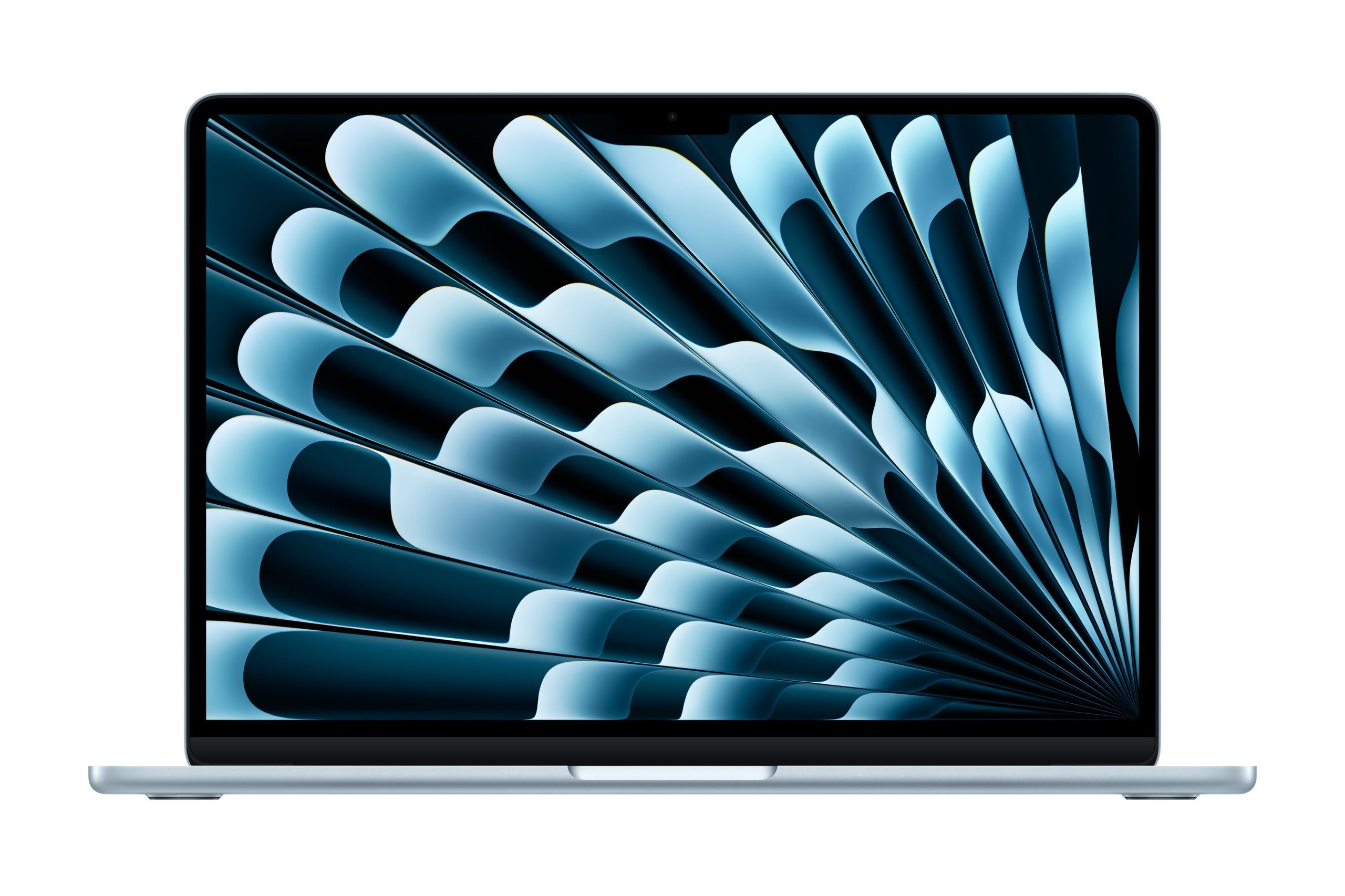
For many organizations evaluating Which MacBook Is Right for Your Business, the MacBook Air becomes the starting point because of its simplicity and balance.
From an office employee’s perspective, MacBook Air works well for:
- Email, spreadsheets, and presentations
- Virtual meetings and collaboration tools
- Browser-based CRM, ERP, and HR platforms
- Daily reporting and documentation
Its lightweight build also makes it comfortable for hybrid and mobile work environments. However, it’s important to recognize that MacBook Air is designed for efficiency rather than sustained high performance.
For roles involving heavy multitasking, creative tools, or data-intensive applications, the Air may feel stretched over time. Therefore, while it fits many office roles well, it isn’t a universal solution when evaluating Which MacBook Is Right for Your Business.
MacBook Pro for Performance-Driven Business Roles
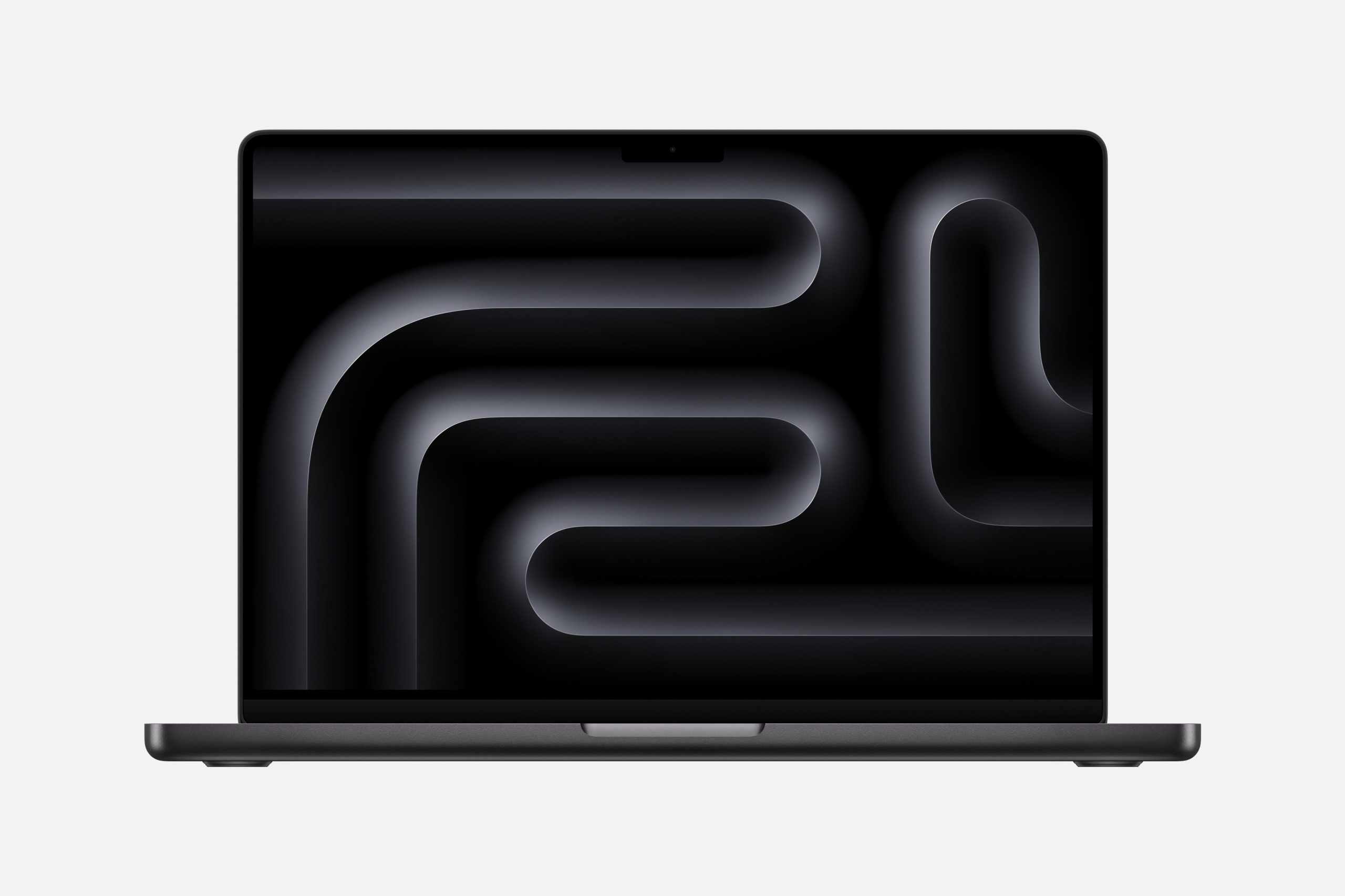
When performance becomes a priority, businesses naturally reassess Which MacBook Is Right for Your Business and look toward the MacBook Pro lineup.
MacBook Pro devices are typically suited for:
- Development and technical teams
- Designers and creative professionals
- Data and analytics roles
- Leadership teams handling multiple high-load applications
The advantage lies in sustained performance and thermal stability during long work sessions. That said, deploying MacBook Pro universally across all roles may not always be cost-effective or necessary.
Businesses often achieve better outcomes by matching MacBook Pro devices to roles where performance genuinely impacts output, rather than treating them as default office machines.
Employee-Owned Laptops Versus Company-Provided MacBooks

Another key layer in answering Which MacBook Is Right for Your Business is ownership. Many corporate environments still allow employees to work on personal laptops, especially in flexible or remote setups.
While this approach offers short-term convenience, it introduces challenges over time:
- Inconsistent performance across teams
- Difficulty enforcing security policies
- Limited control over updates and compliance
- Increased IT support complexity
On the other hand, company-provided MacBooks create standardization. Employees work on similar hardware, IT teams manage fewer variables, and data protection becomes easier to maintain.
As businesses scale, this contrast often pushes leaders to rethink device ownership as part of the broader decision around Which MacBook Is Right for Your Business.
Rental MacBooks as a Structured Business Alternative
As organizations modernize, rental models increasingly enter the discussion around Which MacBook Is Right for Your Business—not as a compromise, but as a strategic choice.
From a business standpoint, renting MacBooks offers:
- Reduced upfront capital expenditure
- Easier upgrades as technology evolves
- Faster onboarding for new employees
- Simplified asset management
For office employees, rental MacBooks feel no different in daily use. However, for organizations, they provide flexibility that ownership often lacks—especially in environments where team size or project requirements change frequently.
This model is particularly relevant for businesses seeking stability without long-term hardware commitments.
Cost Considerations When Evaluating Which MacBook Is Right for Your Business
Cost discussions often dominate conversations around Which MacBook Is Right for Your Business, but they should extend beyond purchase price alone.
Buying MacBooks involves:
- Large upfront investment
- Asset depreciation over time
- Replacement planning after hardware aging
Renting MacBooks shifts this equation by:
- Spreading costs predictably over time
- Eliminating resale and disposal concerns
- Allowing cost alignment with actual usage
For many organizations, especially those managing growth or uncertainty, this financial flexibility becomes a deciding factor.
Security, Compliance, and Control in Business MacBook Decisions

Security plays a central role in determining Which MacBook Is Right for Your Business, particularly in regulated or data-sensitive industries.
Company-managed MacBooks—owned or rented—allow:
- Centralized access control
- Standardized security configurations
- Better compliance tracking
Employee-owned devices, while convenient, often increase risk exposure due to inconsistent security practices.
Businesses that prioritize compliance typically prefer standardized MacBook deployments, ensuring that every device meets organizational security expectations.
Scalability and Workforce Planning with the Right MacBook Strategy
Workforce needs evolve constantly. Therefore, Which MacBook Is Right for Your Business must account for scalability.
Rental models support:
- Rapid team expansion
- Temporary staffing or project-based work
- Easy device reallocation
Rather than purchasing surplus hardware, businesses can align MacBook availability with actual workforce demand. This adaptability reduces waste while supporting growth.
Employee Experience and Productivity Alignment
At its core, Which MacBook Is Right for Your Business is about enabling people to work without friction.
When employees receive devices aligned with their role:
- Performance issues decrease
- Downtime reduces
- Confidence in tools increases
Poor hardware alignment, on the other hand, creates subtle productivity losses that accumulate over time.
Thoughtful MacBook selection ensures that technology supports work rather than complicating it.
Related Queries and Practical Clarifications
Which MacBook Is Right for Your Business if employees mostly handle office tasks?
For roles focused on documentation, meetings, and browser-based tools, MacBook Air models generally meet requirements efficiently without unnecessary cost.
Should businesses allow employees to use personal MacBooks for work?
While feasible in small setups, personal devices often complicate security and support at scale. Standardized company-managed MacBooks provide better long-term control.
When does renting make sense while deciding which MacBook Is Right for Your Business?
Renting is practical when teams grow dynamically, projects are time-bound, or hardware needs change frequently. It offers flexibility without ownership risk.
Where can businesses rent MacBooks reliably for corporate use?
Businesses looking for structured MacBook rental solutions can explore IndiaRENTALZ, which provides professionally managed MacBook rentals with flexible tenure, enterprise-ready devices, and operational support suited for corporate environments.