
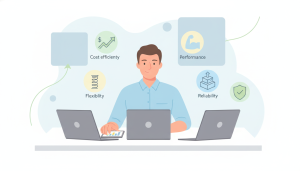
For founders and startup owners, every operational decision has a ripple effect. Hardware choices, in particular, influence productivity, onboarding speed, capital allocation, and long-term flexibility. This is why Laptop Rental has evolved from a short-term workaround into a structured strategy for modern startups.
As teams scale, roles diversify, and business models shift, hardware requirements change faster than expected. Buying laptops outright can appear efficient at first, yet it often introduces rigidity that startups later struggle to manage. In contrast, rental allows founders to stay agile while ensuring teams always have access to reliable, work-ready devices.
This guide explains how to choose the right rental laptops by comparing ownership models, employee usage patterns, and operational priorities—helping founders make informed decisions without unnecessary complexity.
Why Laptop Rental Matches the Reality of Startup Growth
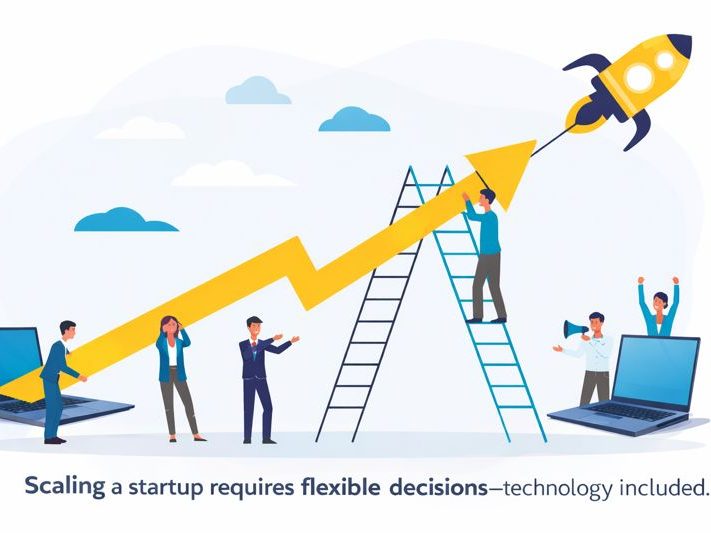
Startup growth is rarely linear. Teams expand during client wins, pause during restructuring, and sometimes pivot entirely. In such conditions, long-term asset ownership can limit flexibility.
With Laptop Rental, startups can align hardware availability directly with headcount changes. Devices can be added when teams grow and reduced when priorities shift. This adaptability becomes particularly important during early hiring phases and post-funding expansions.
Moreover, rental models support geographically distributed teams, which is increasingly common for startups operating across multiple cities or remote environments.
Defining Business Requirements Before Choosing Laptop
Before committing to any laptop , founders must first understand how laptops are actually used inside their organization. Without this clarity, startups risk overspending or under-equipping critical roles.
Some essential factors to consider include:
- Nature of work across teams such as development, sales, or operations
- Software intensity and system load requirements
- Frequency of role changes or internal movement
- Expected hiring growth over the next year
By mapping roles to actual usage patterns, founders ensure that Laptop Rental decisions are practical, cost-effective, and scalable.
Laptop Rental Versus Buying Laptops: Operational Trade-offs
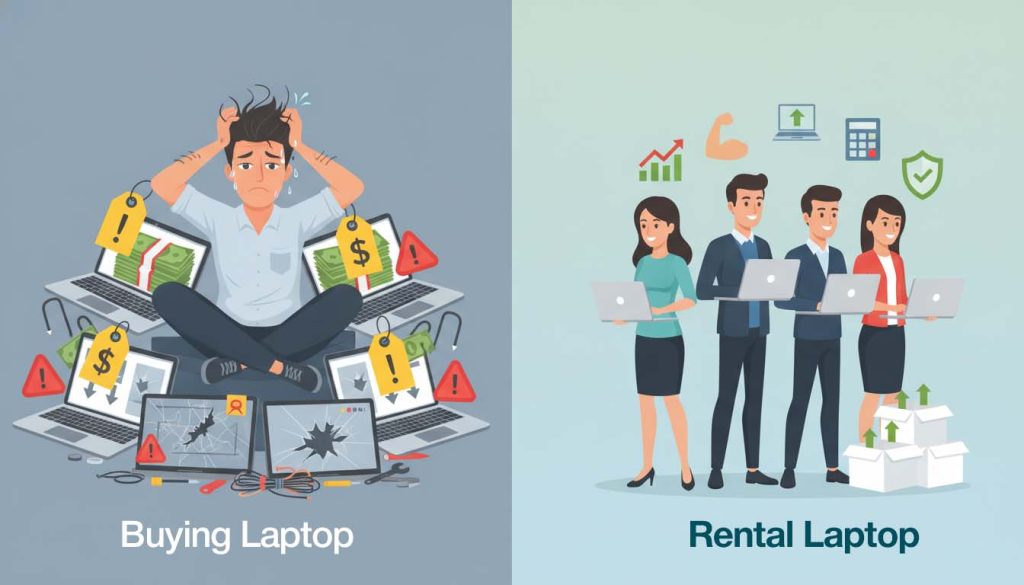
Buying laptops often feels like a straightforward decision, but the operational impact unfolds over time. Ownership involves upfront capital expenditure, warranty tracking, maintenance coordination, and eventual replacement planning.
In contrast, Laptop Rental distributes responsibility. Devices are maintained, repaired, or replaced as needed, reducing internal workload. Startups can also avoid long depreciation cycles tied to hardware ownership.
For founders prioritizing speed and adaptability, rental often aligns better with real operational needs.
Employee-Owned Devices Compared to Laptop Rental for Teams
Many startups initially allow employees to use personal laptops to reduce expenses. While this approach works in the short term, it introduces challenges as teams grow.
Personal devices vary in performance, operating systems, and security standards. Troubleshooting becomes inconsistent, and enforcing data protection policies becomes harder over time.
Providing standardized devices through laptop creates uniformity. Teams operate on similar environments, support becomes predictable, and onboarding processes improve. Over time, this consistency helps startups scale without operational friction.
Selecting the Right Configuration Within Laptop Rental Models
One of the most significant advantages of Laptop Rental is flexibility in configuration. Not every role requires the same level of performance, and startups benefit when hardware matches job demands.
For example:
- Sales and operations teams often function well on stable mid-range laptops
- Developers may require higher RAM and processing power
- Designers often need enhanced graphics capabilities
By choosing role-based configurations, founders control costs while ensuring productivity. Many laptop rental providers allow mixed configurations, making this approach practical even for growing teams.
Laptop Rental and Faster Employee Onboarding
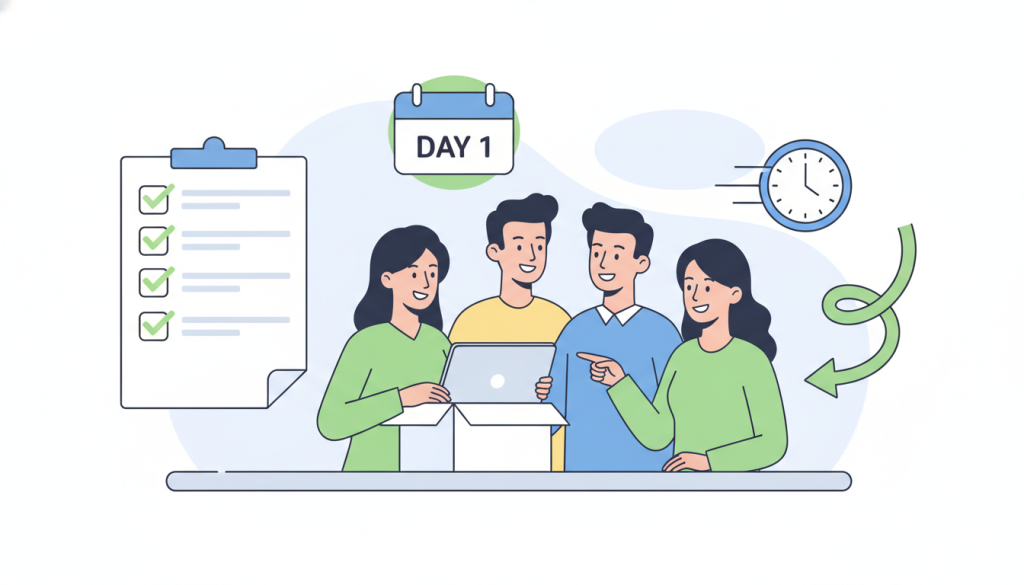
Speed plays a crucial role in startup success. Delays in providing laptops can slow onboarding and impact early productivity.
With Rental, devices can be provisioned quickly and often arrive pre-configured. This enables new hires to begin work immediately rather than waiting for procurement or setup.
For startups hiring across locations, this approach simplifies logistics and ensures a consistent onboarding experience.
Managing Cash Flow More Effectively
Cash flow management is a constant concern for founders. Large upfront purchases for laptops can strain budgets, particularly during early growth stages.
By opting for Laptop Rental, costs are spread across predictable intervals. Monthly or quarterly payments align better with operating expenses and revenue cycles. This predictability allows founders to allocate capital toward growth initiatives rather than tying it up in depreciating assets.
In practice, rental supports financial stability without limiting access to quality hardware.
Reducing Internal IT Load
Managing hardware internally requires time, expertise, and consistent attention. For lean startup teams, this often distracts from core business objectives.
A structured Rental setup usually includes maintenance and replacement support. As a result, internal teams spend less time resolving device issues and more time focusing on execution.
As the organization scales, this reduced IT burden becomes increasingly valuable.
Adapting to Changing Technology Needs
Technology evolves quickly. Tools that work today may demand higher specifications within months as software updates and workloads increase.
With Rental, upgrading hardware becomes simpler. Instead of being locked into outdated devices, startups can adjust configurations as requirements change.
This adaptability ensures that technology supports growth rather than becoming a constraint.
Laptop Rental for Remote and Hybrid Startup Teams
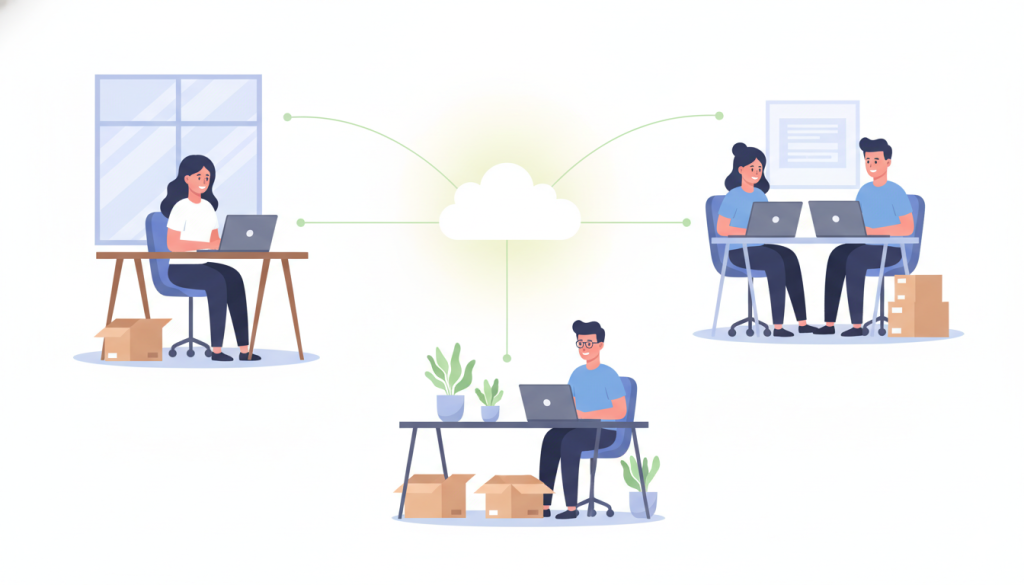
Remote and hybrid work models are now standard for many startups. Teams operate across cities, time zones, and flexible schedules.
Rental supports this shift by simplifying device delivery, replacement, and centralized management. Founders maintain control over hardware policies while enabling distributed teams to work efficiently.
This balance makes laptop rental particularly suitable for modern startup environments.
Balancing Control and Flexibility
Some founders worry that renting hardware means losing control. In practice, well-defined Rental agreements provide structure rather than uncertainty.
Clear terms around usage, maintenance, and upgrades allow founders to maintain oversight without micromanaging assets. When combined with internal policies, laptop rental offers both flexibility and accountability.
Common Questions and Practical Considerations
Is laptop rental suitable for early-stage startups
Yes, Laptop Rental is well suited for early-stage startups because it reduces upfront costs, speeds up onboarding, and allows hardware scaling in line with team growth.
How does laptop rental compare to buying laptops for employees
Buying laptops offers ownership but increases capital expenditure and long-term maintenance responsibilities. Laptop Rental provides flexibility, predictable costs, and easier upgrades, which often aligns better with startup operations.
Can laptop rental support remote and hybrid teams
A structured Laptop Rental model supports remote and hybrid teams by simplifying delivery, replacements, and centralized device control across locations.
What should founders evaluate before choosing laptop rental
Founders should assess device quality, service responsiveness, upgrade options, contract flexibility, and clarity around maintenance responsibilities before selecting a Laptop Rental provider.
Where can startups rent laptops from a reliable provider
Startups looking for dependable Laptop Rental solutions can explore IndiaRENTALZ, which supports founders and growing teams with flexible rental models and structured device management.

One thought on “Laptop Rental Made Easy: How to Choose the Right One”
Comments are closed.